Shatter vs. Crumble: Extraction Chemistry, Terpene Retention & Dabbing Temperatures
Hydrocarbon concentrates dominate the modern botanical landscape, yet their physical architectures vary dramatically. Here is an exploration of how post-extraction molecular nucleation separates glassy BHO shatter from whipped honeycomb wax, and how precise banger temperatures unlock the full spectrum of each matrix.
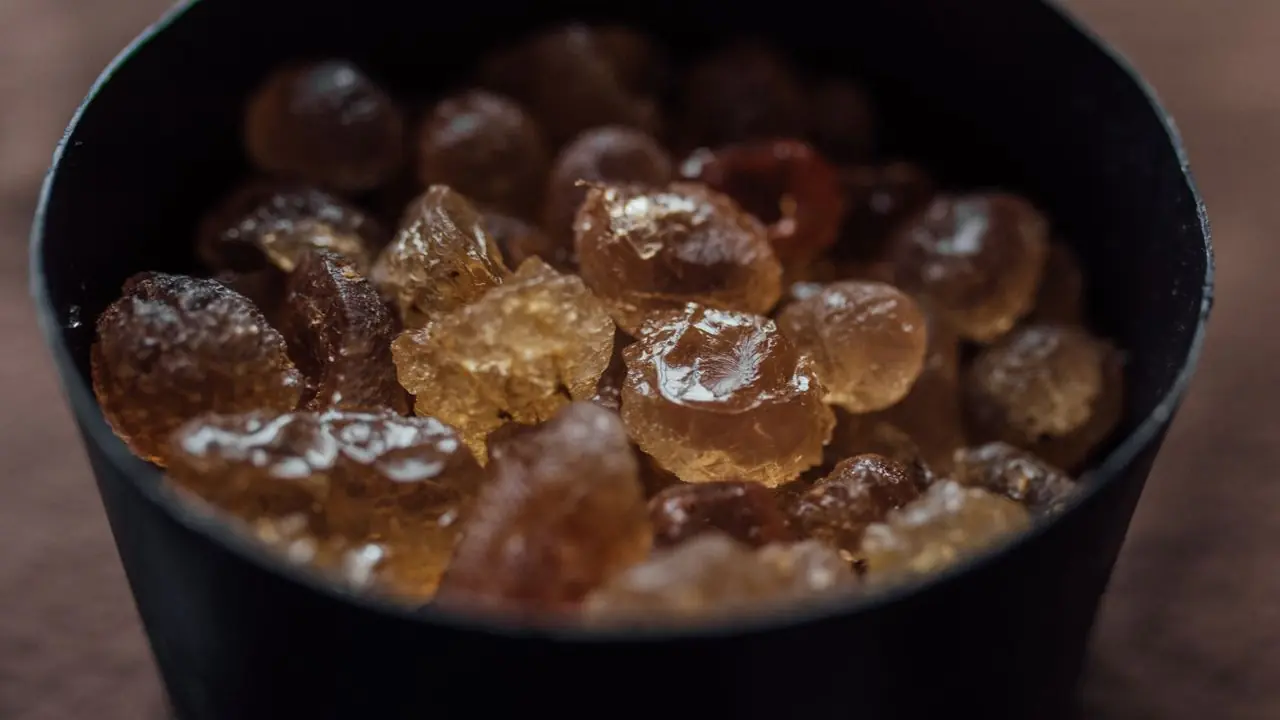
1. The Core Scientific Difference: Molecular Nucleation
Both shatter and crumble originate from closed-loop hydrocarbon extraction (typically a blend of n-butane and propane) designed to isolate target cannabinoids and volatile terpenes from uncured or flash-frozen plant material. Their stark sensory divergence—glass translucence versus matte honeycomb texture—stems entirely from post-purge nucleation dynamics.
Shatter: Amorphous Solid State
During the vacuum oven purging cycle (maintained between 32°C–38°C), the crude extract is left completely undisturbed. Molecules of tetrahydrocannabinolic acid (THCA) are frozen in place before they can organize into crystalline structures. This creates an amorphous, isotropic glass that refracts light with clarity and snaps crisply under physical tension.
Crumble: Agitated Honeycomb Matrix
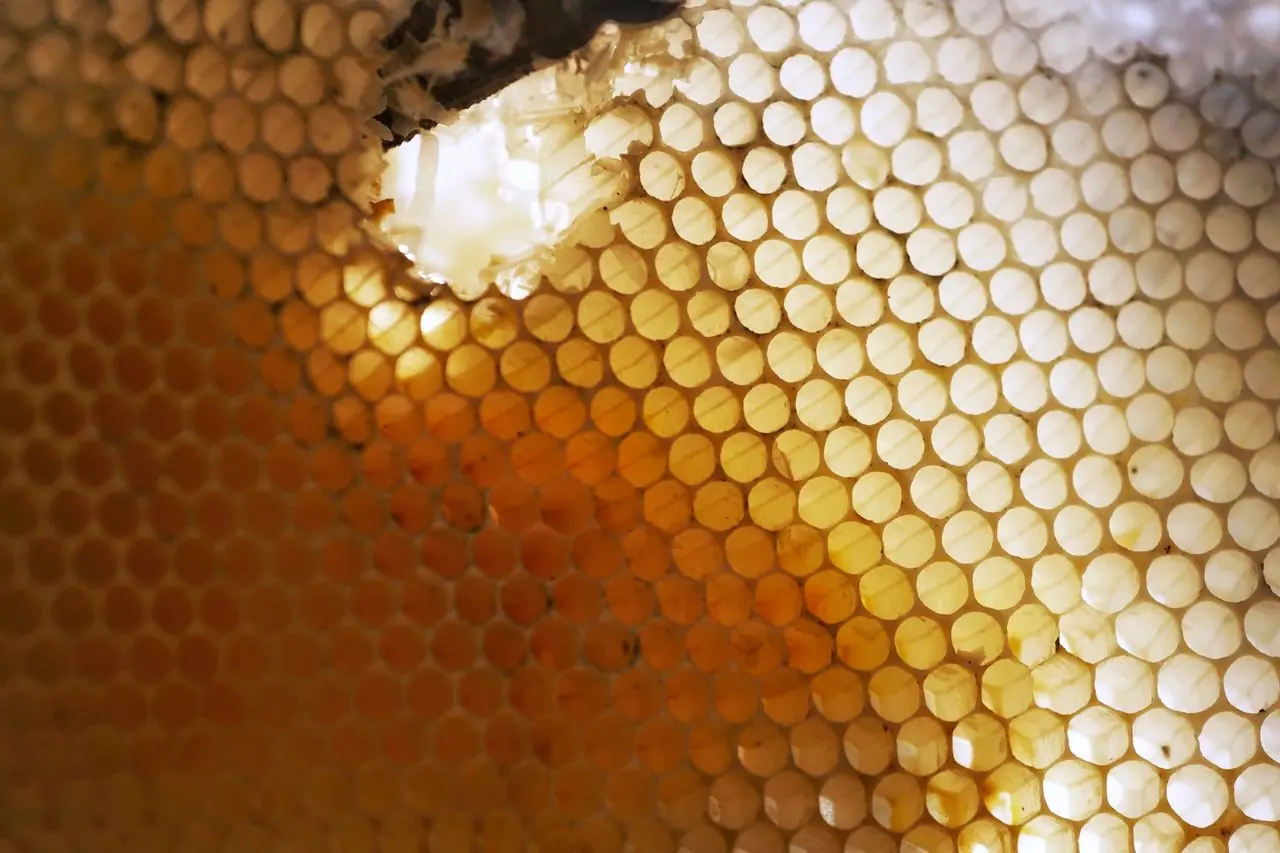
To yield crumble, technicians actively disrupt the molecular matrix by vacuum whipping or elevating purging temperatures slightly (38°C–43°C). Agitation introduces air pockets and causes THCA to spontaneously nucleate. Crystalline bonds interlock around the aerated voids, producing an opaque, dry, sponge-like honeycomb texture.
2. Side-by-Side Architectural Comparison
| Metric / Attribute | THC Shatter | Honeycomb Crumble |
|---|---|---|
| Physical Consistency | Brittle, translucent glass; pull-and-snap when warm | Porous, matte, aerated pie-crust or dry honeycomb |
| Nucleation Level | Zero (amorphous molecular state) | High (interlocking micro-crystalline lattice) |
| Average Potency | 75% – 85% Cannabinoids | 70% – 82% Cannabinoids |
| Terpene Profile | Clean, subtle aroma until heated | Highly aromatic due to greater exposed surface area |
| Tool Usability | Requires heated or flat paddle dab tools | Effortless to scoop with standard spoon tools |
| Stability Over Time | Sensitive to heat/light; can auto-nucleate | Extremely shelf-stable; already fully nucleated |
3. Terpene Volatility & Precision Dabbing Temperatures
Vaporization dynamics differ between translucent solids and porous waxes. Shatter melts slowly as thermal energy breaks down its amorphous bonds. Crumble vaporizes quickly because of its massive internal surface area and microscopic air channels.
To prevent thermal degradation of valuable terpenes like beta-myrcene (boiling point 168°C) and limonene (boiling point 176°C), dial in your quartz banger or electronic rig according to this temperature profile:
Connoisseur Flavour Profile
Ideal for terpene-rich honeycomb crumble. Eliminates acrolein and benzene formation. Requires a directional carb cap to sustain vapor density.
Balanced Density & Vapour
The optimal sweet spot for dense amber shatter. Provides rapid melt rates, clean cannabinoid decarboxylation, and smooth throat sensation.
Combustion Degradation
Destroys monoterpenes and denatures botanical compounds. Creates a harsh throat hit and leaves burnt carbon residue on quartz glass. Not recommended.
4. Storage Protocols: Preventing Shatter Sugar-Up
The greatest risk to pure shatter is spontaneous nucleation—often called “sugaring up.” When exposed to cycling room temperatures, humidity, or direct ultraviolet light, the non-crystalline molecules reorganize into sugar wax.
- Parchment over Silicone: Store shatter in unbleached, pharmaceutical-grade PTFE or parchment paper. Non-stick silicone containers absorb and leach volatile terpenes over extended storage periods.
- Airtight Glass Miron Jars: Keep crumble in airtight ultraviolet glass jars to protect its porous matrix from oxidizing and drying into unusable powder.
- Refrigeration Protocol: If storing long-term, refrigerate at 4°C. Always allow the container to reach room temperature before opening to prevent airborne moisture from condensing on the cold extract.
Explore Lab-Purged Hydrocarbon Extracts
Every batch of shatter and crumble in our catalog is vacuum-purged below 50 PPM residual solvents, third-party lab tested, and sealed in odor-barrier protective packaging for secure delivery across the UK.
Frequently Asked Questions
What is the main chemical difference between shatter and crumble?
The distinction lies in molecular nucleation. Shatter is cooled in undisturbed vacuum ovens, locking THCA molecules into an amorphous, non-crystalline solid with a glassy consistency. Crumble is agitated or whipped during vacuum purging, encouraging rapid nucleation into a porous, crystalline honeycomb lattice.
What is the best temperature to dab shatter?
The ideal vaporization window for shatter is between 175°C and 205°C (350°F to 400°F). Dabbing at this lower-to-mid range completely vaporizes crystalline THCA without scorching fragile monoterpenes like myrcene and limonene.
Why did my shatter turn sugary or cloudy?
This process is known as autoflowering or spontaneous nucleation. Exposure to ambient room temperatures, light, or microscopic moisture causes unbonded THCA molecules to precipitate out of their glassy matrix and organize into micro-crystals, converting the slab into sugar wax or budder.
Is crumble easier to handle than shatter?
Yes. Shatter is brittle at cooler room temperatures and can crack or fly apart when manipulated with a dab tool. Crumble features a drier, pie-crust consistency that easily breaks into manageable portions and stays stable on spoon-style dabbers without melting onto fingers.