Ceramic vs. Metal Cores: Why Hardware Matters in 3000mg THC Vapes
In high-capacity 3000mg disposable vapes, the heating core determines whether your extract delivers clean botanical terpenes or acrid burnt oil. Here is an exploration of the physics of capillary wicking, thermal conductivity, and heavy metal mitigation in modern cannabinoid devices.
1. The Viscosity Challenge in High-Capacity Vapes
Standard e-liquids rely on vegetable glycerin (VG) and propylene glycol (PG), which flow freely across organic cotton wicks. Uncut cannabinoid distillates, however, have high viscosity at room temperature (often exceeding 100,000 cP).
When a standard wire-and-cotton atomizer fires, it flash-vaporizes the surface film. Because thick distillate cannot flow quickly enough through dense cotton fibers, the wick starves. By the second or third draw, the wire overheats to over 300°C, charring the cotton and generating harmful carbonyl compounds such as formaldehyde and acrolein.
2. The Microporous Sintered Ceramic Solution
Ceramic cores eliminate organic wicks entirely. A cylindrical matrix of medical-grade ceramic is sintered at over 1,000°C, producing a maze of interconnected microscopic pores (typically 10 to 30 microns in diameter).
Uniform Heat Distribution
Unlike wire coils that create localized hot spots, ceramic distributes thermal energy evenly across its entire surface area. This ensures every drop of distillate vaporizes at its exact boiling threshold without thermal degradation.
Capillary Infiltration
The microscopic pore network generates steady capillary pull. As vapor escapes, oil naturally draws into the core from the 3000mg reservoir—preventing dry hits throughout hundreds of activation cycles.
3. Heavy Metal Leaching: Ceramic vs. Metal Wire
Hardware longevity is critical in large 3000mg formats. Cheap disposables often employ low-grade metal wires composed of nickel-chromium (nichrome) or iron-chromium-aluminium (kanthal). Repeated thermal cycling combined with acidic terpene fractions can cause trace metal oxidation.
| Feature / Risk | Standard Metal Coil + Wick | Sintered Ceramic Core |
|---|---|---|
| Heavy Metal Leaching | Risk of nickel/chromium migration | Zero metal contact with fluid channel |
| Wick Burn-Out Risk | High (cotton chars under low oil levels) | None (fully inorganic ceramic matrix) |
| Terpene Flavour Purity | Degrades noticeably past 1000mg | Consistent flavour through all 3000mg |
| Optimal Voltage | 3.6V – 4.2V (burns monoterpenes) | 2.8V – 3.4V (gentle, full-spectrum vaporization) |
4. Preventing Clogs in 3000mg Devices
Because 3000mg disposables contain a generous volume of distillate, preventing airway obstruction is essential. Follow these guidelines for consistent performance:
- Store Vertically: Always keep your vape upright. Resting pens horizontally allows cold distillate to creep into the central airflow tube.
- Clear Residual Vapour: Continue drawing for one second after releasing the firing button to ensure no vaporized oil condenses inside the chimney.
- Use Gentle Warm-Up Cycles: If slight resistance occurs in cold UK weather, use the integrated preheat function (or warm the cart gently between your palms) to soften the oil before taking deep draws.
Experience Ceramic Core Disposable Vapes
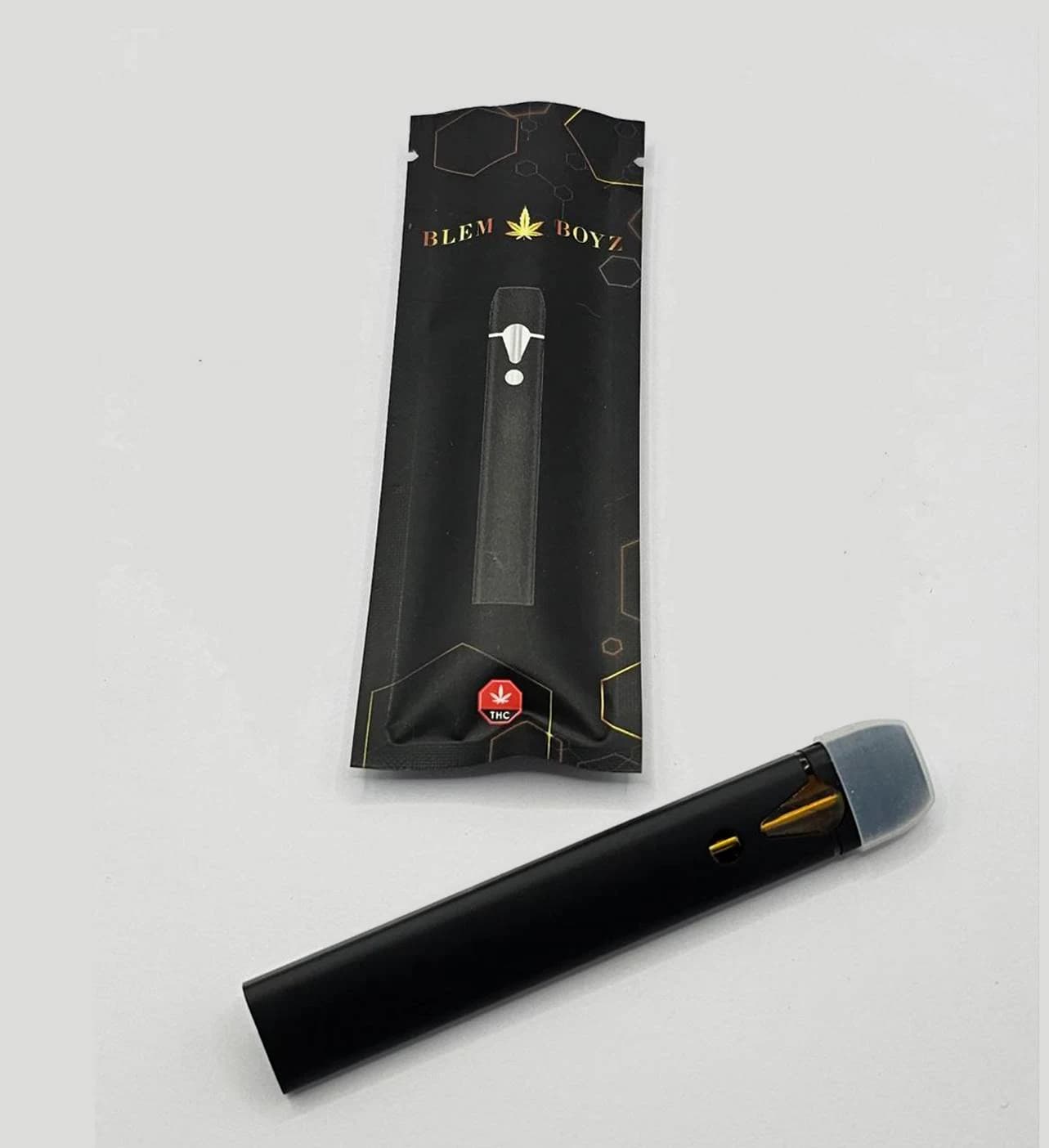
BLEM-BOYZ 3000mg disposable vape pens feature medical-grade ceramic heating elements, rechargeable USB-C ports, and solventless botanical terpene profiles.
Frequently Asked Questions
Why do metal wire coils burn thick THC distillate?
Traditional vape atomizers use coiled metal wires (nichrome or kanthal) wrapped around cotton wicks. Pure cannabinoid distillates possess extreme dynamic viscosities. Cotton wicks cannot draw uncut oil rapidly enough, creating dry hot spots that scorch the cotton fiber and produce acrid burnt hits.
How does porous ceramic hardware work?
Ceramic atomizers are manufactured by sintering medical-grade ceramic powders at high temperatures to produce millions of interconnected microscopic pores. The high capillary action naturally draws viscous distillate directly against an embedded heating film without needing combustible organic wicks.
Is there a risk of heavy metal leaching with cheap vapes?
Yes. Lower-grade metal hardware often uses nickel, chromium, or lead-soldered brass components. Over extended heat cycles—especially across large 3000mg capacities—acidic botanical terpenes can cause trace metal migration into the aerosol. Sintered ceramic and food-grade 316L stainless steel prevent this entirely.
What voltage should be used with ceramic core vapes?
Ceramic heating elements retain thermal mass longer than metal wires. The ideal voltage window is 2.8V to 3.4V. This preserves volatile monoterpenes like pinene and limonene while ensuring complete vaporization without clogging.